The Fish You Have to Let Go

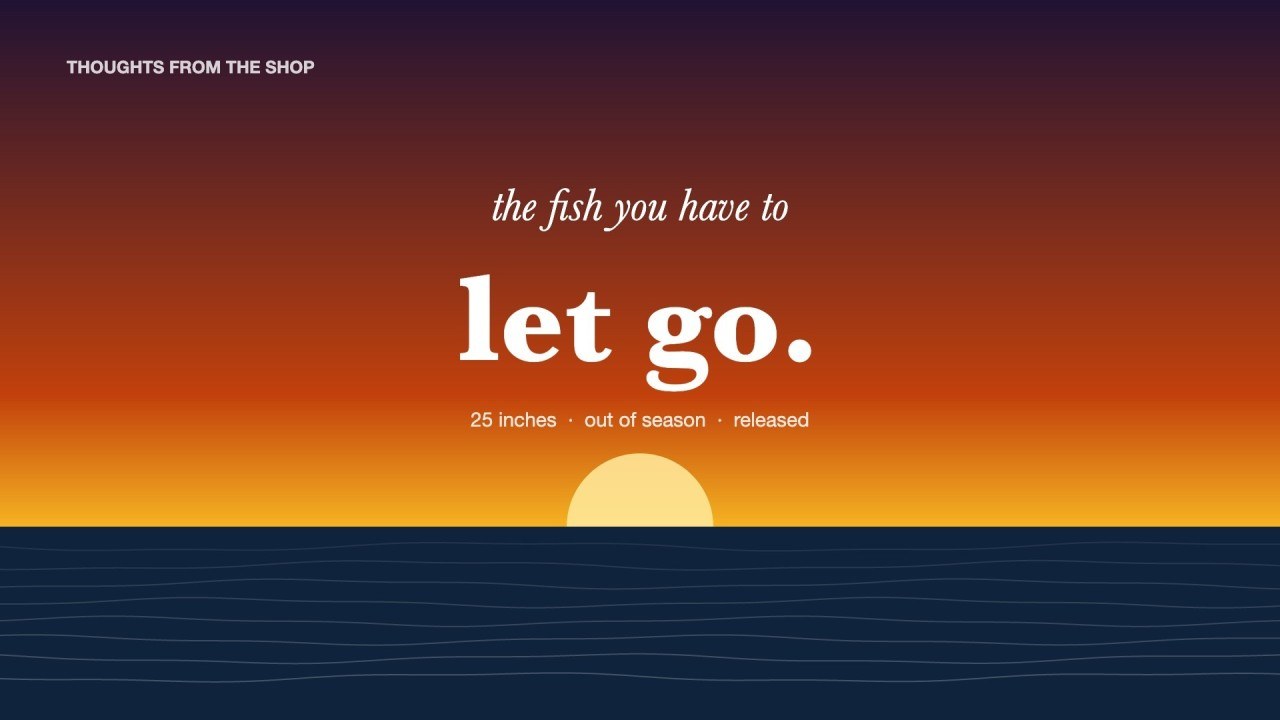
Ten miles offshore, three-foot swells, trolling. The rod bent over hard and stayed bent. Ten minutes later I had a 25-inch gag grouper at the side of the ski — the best fish of my summer, the fish I'd been running out there for since June.
And gag season wasn't open yet.
So I took a picture, got the hook out clean, and watched it swim down. That's the whole story. Twenty-five inches of exactly what I wanted, and the right move was to put it back.
A fish out of season is a liability, not a trophy
There's no version of keeping that fish that ends well. It's a fine, it's a story you can't tell, and it's a cooler you have to lie about at the ramp. The fish is only a win inside the rules. Outside them it's just a problem that happens to look like a win.
I think about that a lot, because the work version of this is everywhere, and almost nobody puts it back.
The vendor deal that's a great price but routes customer data somewhere legal hasn't reviewed. The feature a customer is begging for that the platform can't support yet. The agent that works beautifully in the demo and hasn't been through the permission model. The hire you want to make before the budget is approved. The AI output that's correct, probably, and nobody's checked.
They're all 25-inch grouper. They're all exactly what you were fishing for. And they're all out of season.
Timing is a rule, not a suggestion
The season exists for a reason. Gag grouper spawn in the spring; the closure protects the stock so there's a fishery next year. The rule isn't there to spoil my August. It's there so I have an August at all in five years.
Most of the rules that feel like friction at work are the same thing. Change windows. Security review. The architecture board. The "not until the data pipeline can feed it" conversation. The rule looks like a delay on today's fish. It's actually protecting next year's fishery — the trust of the customer, the stability of the platform, the team that doesn't get burned out carrying something that shipped before it was ready.
The leaders I've watched get in real trouble weren't the ones who couldn't catch anything. They were the ones who couldn't let anything go. Every win got kept, in season or out, and the bill came due later with interest.
The discipline is in the release
Catching the fish is skill and luck. Letting it go is character. Nobody was watching. Nobody would have known. It would have eaten fine.
That's the test, and it's the same test on a Tuesday in a conference room. Can you say "this is a great deal and we're not signing it yet"? Can you tell the customer "we'll build it, after the platform's ready, and here's the date"? Can you look at the AI output that's right and still send it through review because the process matters more than this one answer?
If you can, the team learns something that no values poster will ever teach them: the rules apply when it costs us something. That's the only time rules mean anything.
What you bring home instead
I came in that day with a dry boat, fish in the cooler that were legal, a photo of the grouper, and a story I can tell at the ramp without lowering my voice. That's a better haul than the fish.
Season opened a couple weeks later. I went back to the same numbers. Didn't catch him. That's fishing. But the fishery's still there, and so am I, and I didn't have to become somebody I'm not to keep a fish.
Some wins aren't yours to keep. Get the hook out clean, watch it swim, and go find the one that's in season.
Think this argument fits your event? Tell me about the room — the calendar is selective.
Start a conversation