GTC Berlin: The Hardware Is Impressive. The Operating Model Is Where You Win or Lose.

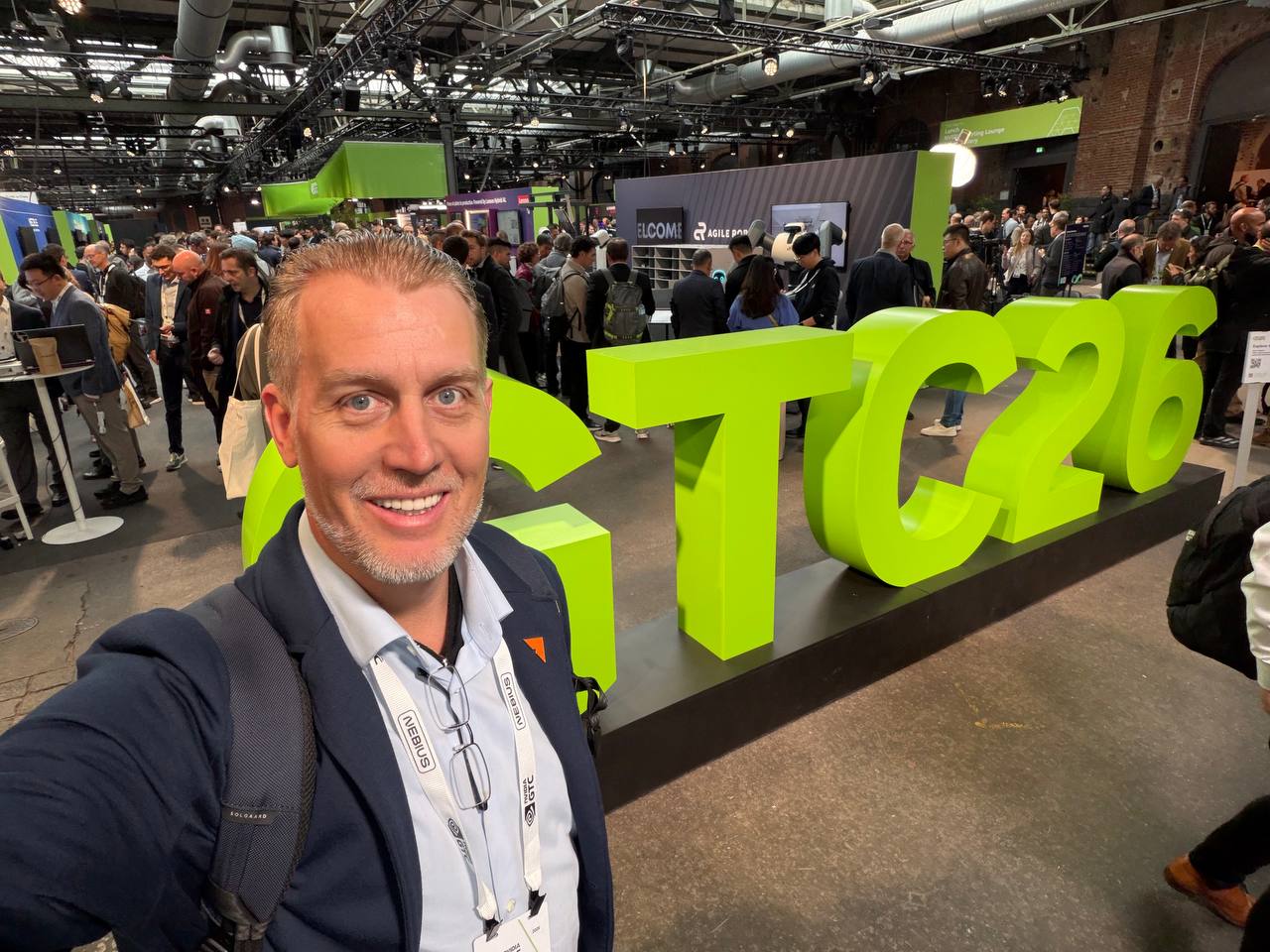
I went to Nvidia GTC Berlin for the technology and came back with a sharper view of the problem most enterprises still haven't solved.
The keynote and the show floor delivered exactly what you'd expect: more compute, faster silicon, and physical AI that has quietly crossed from staged demo to something you can actually buy, deploy, and run. That part of the story is real and impressive.
But between the keynote, the show floor, and late-night tables with people who build this stuff for a living, the conversations kept landing on the same place. The hardware is no longer the constraint. The operating model is.
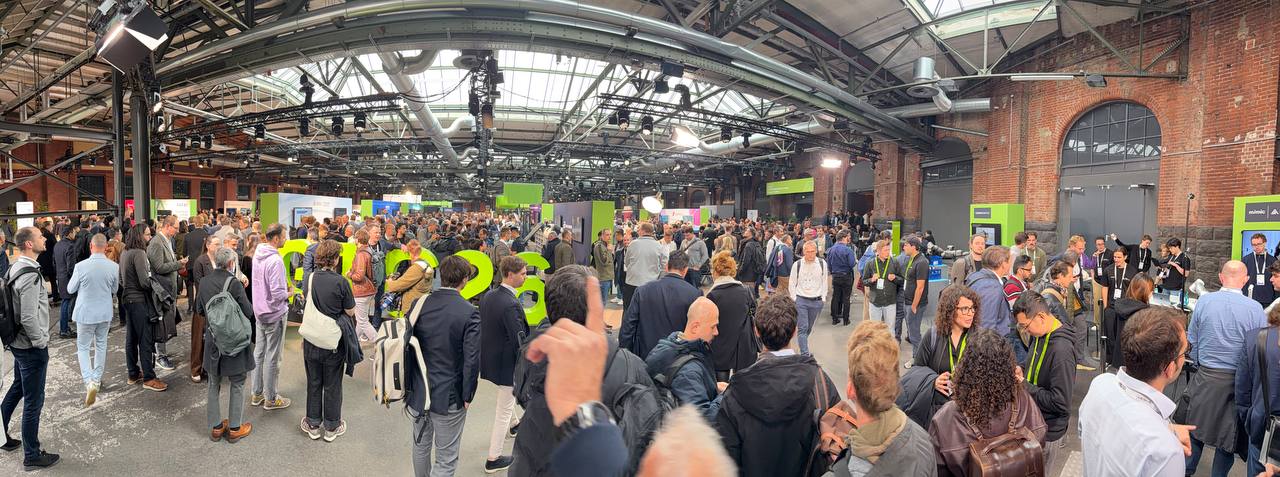
The gap is organizational, not technical
Most enterprises won't lose on model quality or GPU supply. They'll lose on how they adopt — how they move a working prototype into production, how they staff and fund the transition, how they treat AI as a system to operate rather than a tool to install.
That's the difference between experiments and infrastructure. Infrastructure gets budgeted, governed, monitored, and maintained. Experiments get abandoned the moment the next shiny thing ships. The organizations that win are the ones that already understand that difference — and the ones that don't are still running AI as a series of one-off pilots.
The hardware story is impressive. The operating-model story is where most enterprises will win or lose.
Physical AI is no longer a demo
The other thing that stuck: physical AI and robotics have moved from demo to deployment. This isn't a research project anymore, and it isn't a headline about a robot doing a backflip. It's an operating decision with real economics behind it.
If you run manufacturing or logistics, pay attention now — not because the robots are coming, but because the cost and capability curves just shifted under you. The companies that treat this as a hardware purchase will get left behind. The ones that treat it as an operating-model decision — how does physical AI slot into production, into the labor model, into safety and quality systems — will pull ahead.
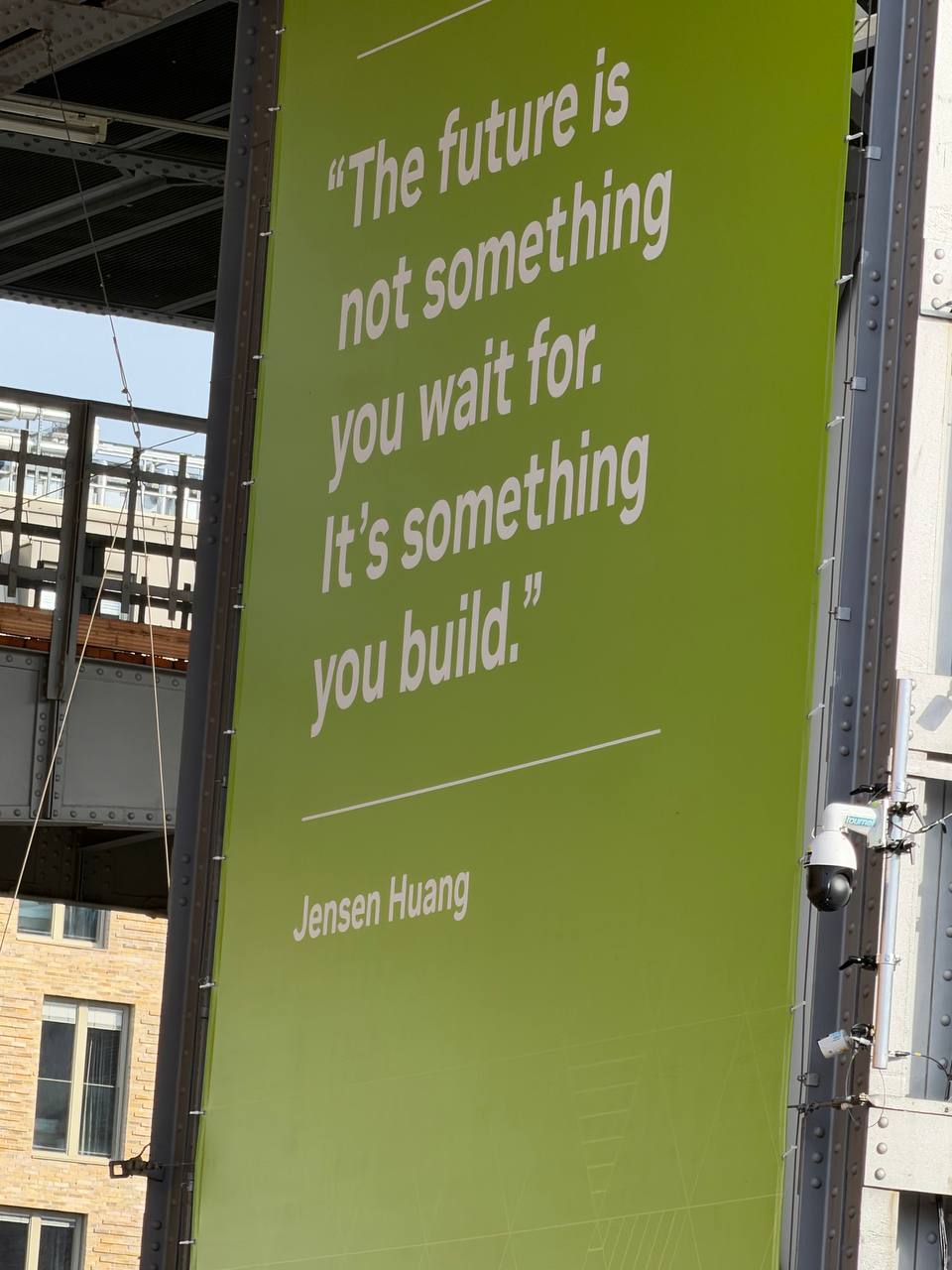
The demo tells you what's possible. The people tell you what's real.
If I'm honest, the best learnings didn't happen in the sessions. They happened in the hallways, at dinner, over a shared GitHub repo, and over one more drink than planned.
The sessions tell you what's shipping. The hallways tell you what's actually working in production — and what isn't. That's the reality check every enterprise CTO needs. The demo is the art of the possible. The people doing the work are the ground truth. Listen to the second one.
Berlin reminded me of something I already knew but keep needing to hear: the technology will keep getting faster. The organizations that keep up will be the ones that stopped treating AI as a feature and started operating it as infrastructure.
Think this argument fits your event? Tell me about the room — the calendar is selective.
Start a conversation